Ground Support Equipment: Its Role in Airport Operations
Every aircraft departure relies on a coordinated series of tasks on the ground. Baggage must be loaded, passengers need access, aircraft systems require power, and maintenance teams need suitable tools. Ground support equipment brings these activities together.
Ground support equipment (GSE) refers to the vehicles, machinery and systems used to handle and service aircraft while they are on the ground. Found at passenger airports, cargo terminals and maintenance facilities, it supports safe aircraft turnaround and dependable daily operations.
What Does GSE Do Between Flights?
Rather than viewing GSE as a collection of separate machines, it helps to consider the jobs it performs during an aircraft’s time on the ground.
Aircraft Movement
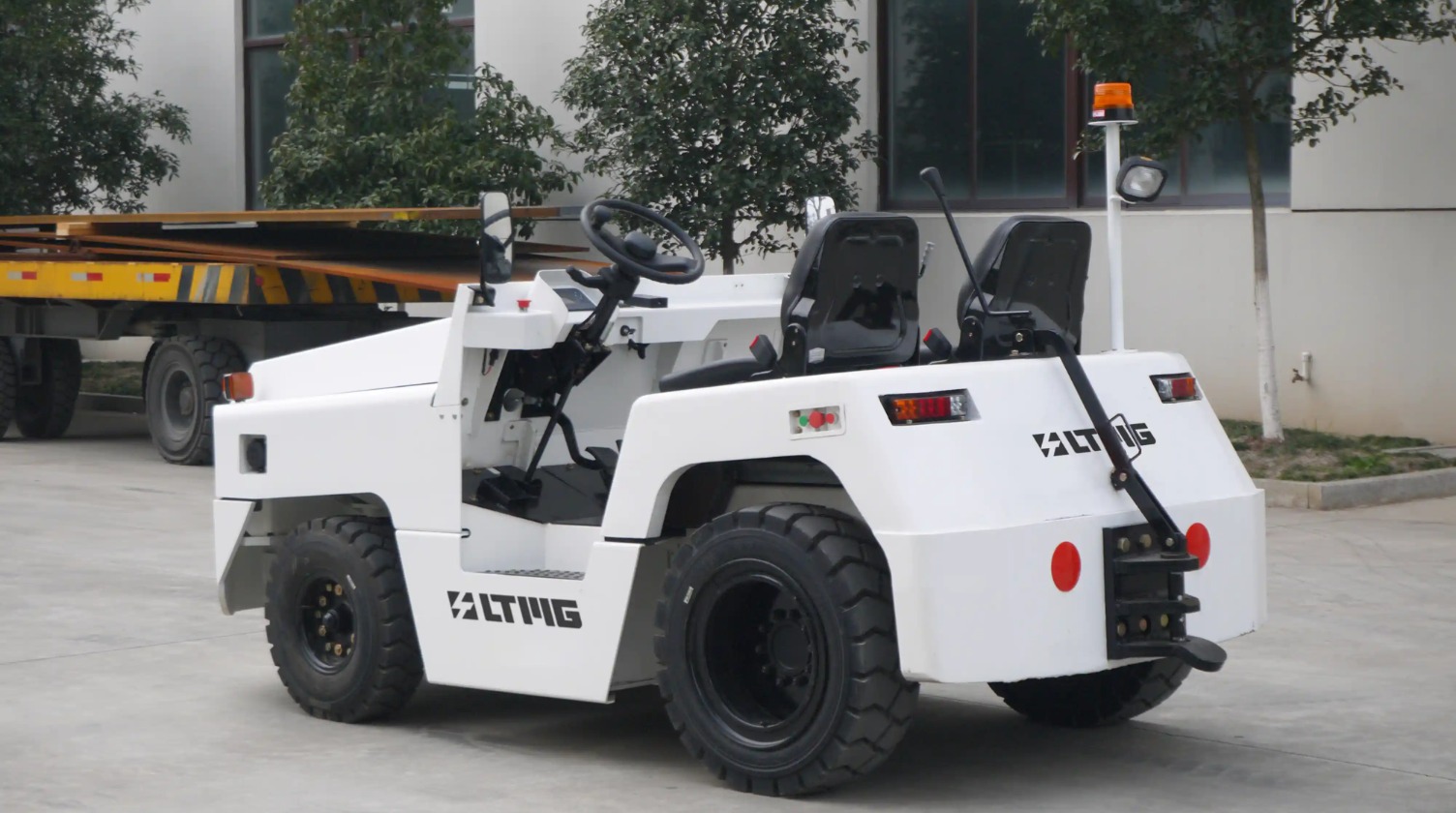
Pushback tractors and towing equipment reposition aircraft without using their main engines for propulsion. They support departures from stands, transfers between airport locations and movements into maintenance areas.
Equipment must match the aircraft’s towing requirements and the operating environment. Aircraft weight matters, but compatibility cannot be determined by weight alone.
Baggage and Cargo Handling
Baggage tractors and dollies carry luggage between sorting facilities and aircraft. Cargo loaders and associated handling equipment transfer freight and containers.
These duties demand reliable equipment that can manoeuvre within restricted apron space and remain available during busy handling periods.
Power and Aircraft Servicing
Ground power units (GPUs) supply electricity to parked aircraft, while air-conditioning units and pre-conditioned air systems help maintain cabin conditions.
Where suitable connections and infrastructure are available, these systems can reduce reliance on the aircraft’s auxiliary power unit (APU), potentially lowering fuel consumption and local emissions.
Passenger Access and Maintenance
Passenger stairs, boarding ramps and cabin service vehicles support boarding, cleaning and preparation activities. Maintenance stands, service carts and specialist tools give technicians access for inspections and repairs.
Together, these assets help ground teams complete the work needed before an aircraft returns to service. IATA recognises GSE as an essential part of safe and efficient aircraft servicing.
Different Operations Need Different Fleets
A passenger airport typically needs equipment for baggage handling, boarding and rapid turnaround. A cargo hub places greater emphasis on freight movement and loading, while a maintenance, repair and overhaul (MRO) facility requires aircraft access and servicing equipment.
Military airfields, private airports and regional facilities also use GSE, with requirements shaped by their aircraft fleets and operating schedules.
The aim is to match equipment availability and capability to the work. More machines do not automatically produce a more efficient operation.
Electric or Diesel GSE?
Electrification is changing ground support fleets. Battery-electric equipment produces no tailpipe exhaust during operation and can reduce powertrain noise. It may also lower energy and routine maintenance costs in suitable applications.
However, these benefits depend on charging access, workload, electricity prices and battery performance. Replacing diesel equipment requires planning around the entire duty cycle.
Diesel and hybrid machines remain options where operating demands or limited charging opportunities make them appropriate. The practical comparison is therefore between complete operating arrangements, including energy supply, servicing and availability. IATA’s electric GSE guidance highlights these wider transition requirements.
How to Assess Equipment and Lifetime Costs
Start with aircraft compatibility and the task, then examine:
Workload: Daily operating hours, peak traffic and simultaneous assignments.
Infrastructure: Charging or fuelling access and available maintenance facilities.
Support: Spare-parts availability and technician capability.
Local requirements: Applicable airport rules and environmental restrictions.
Purchase price should be assessed alongside total cost of ownership (TCO). Energy consumption, servicing, repairs, downtime, expected service life and resale value all influence the final cost.
A lower purchase price may offer little advantage if equipment frequently becomes unavailable. Likewise, projected savings from electric GSE should reflect actual site conditions.
Safety and the Future of Ground Support
Working close to aircraft and people requires trained operators, preventive maintenance and clear ramp procedures. Equipment visibility, control and suitability matter, but safe performance also depends on coordination between teams.
Electrification, telematics and automation are creating further opportunities to improve fleet management. Monitoring equipment condition and utilisation can support maintenance planning and help identify availability problems.
The purpose remains straightforward: provide ground teams with dependable equipment that suits the aircraft, workload and airport environment. When these elements align, GSE supports safer servicing, more reliable turnarounds and manageable long-term costs.